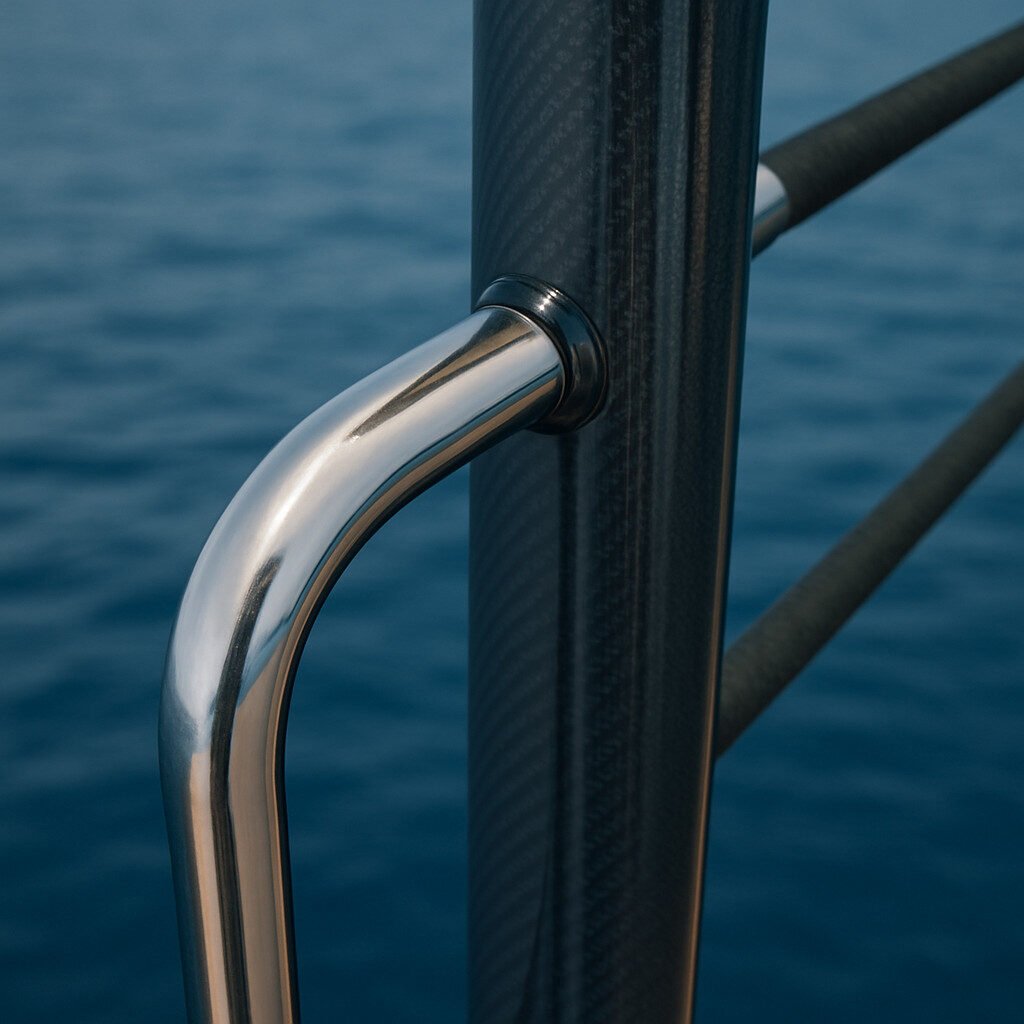
Structural Composites for Superyachts Shape the Future of Yacht Design
Structural composites are playing an increasingly important role in the construction of modern superyachts. These advanced materials offer a balance of strength, weight reduction, and durability that traditional building methods often struggle to match. As yacht design continues to evolve, composites are helping shipyards create vessels that are lighter, stronger, and more efficient.
Composites are materials made by combining fibres such as carbon or glass with resin systems that bind them together. The result is a structure that offers excellent strength while remaining relatively lightweight. This is particularly valuable in superyacht construction, where reducing weight can improve speed, fuel efficiency, and overall performance without compromising safety.
One of the main advantages of structural composites is weight reduction. Lighter structures allow yachts to travel more efficiently and reduce fuel consumption over long distances. This not only lowers operational costs but also aligns with growing interest in more responsible yachting practices. A lighter yacht can also offer improved stability and handling, contributing to smoother journeys for guests.
Durability is another key benefit. Composites are resistant to corrosion, fatigue, and environmental wear, which are common concerns in marine environments. Unlike some traditional materials, composites do not rust and can maintain their integrity even after years of exposure to saltwater and changing climates. This makes them particularly suitable for hulls, decks, and structural components that must endure constant stress.
Design flexibility is also driving the popularity of composites. Shipyards and designers can mould composite materials into complex shapes that would be difficult to achieve with metal or wood. This opens the door to more innovative hull designs, sleeker profiles, and custom architectural features. Interiors also benefit, as lighter structures can allow for more spacious layouts and creative design elements.
Structural composites are not limited to new builds. Many refit projects now incorporate composite components to modernise older yachts. Replacing heavy structures with lighter composite alternatives can improve performance and extend the lifespan of the vessel. This approach allows owners to bring older yachts closer to modern standards without undertaking a full rebuild.
Safety remains a priority in any structural choice, and composites are engineered to meet strict marine regulations. Advanced manufacturing techniques ensure consistent quality and strength. Fire resistant resins and reinforced layers can also be incorporated where required, providing reassurance for both builders and owners.
As technology advances, the range of composite materials continues to expand. Carbon fibre, hybrid fabrics, and advanced resin systems are pushing the boundaries of what is possible in yacht construction. These innovations are enabling shipyards to build vessels that combine performance with long term durability and modern aesthetics.
Structural composites are shaping the next generation of superyachts by offering a practical combination of efficiency, strength, and design freedom. Whether used in hull construction, decks, or key structural elements, these materials are helping redefine how yachts are built and how they perform at sea.
Superyacht builders and refit specialists can explore structural composite suppliers through Superyacht Suppliers to discover materials that support modern yacht construction and future focused design.