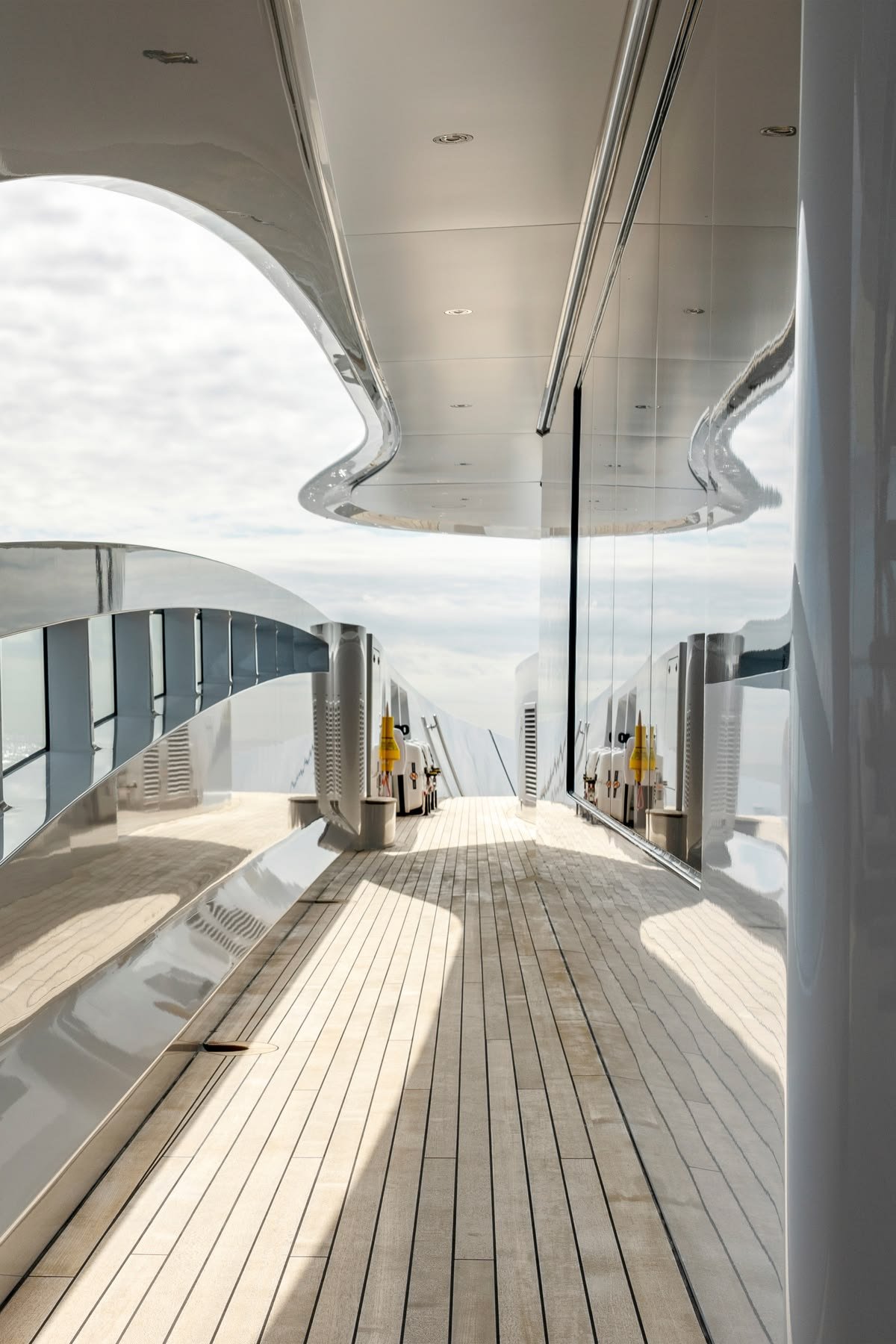
Superyacht Paint Finishes and the Art of Exterior Refinishing
A superyacht’s exterior finish is often one of the first things people notice, but achieving that flawless appearance involves far more than selecting a colour and applying a coat of paint. Behind the reflective surfaces and carefully defined lines is a detailed process involving surface preparation, specialist coatings, environmental control and skilled application.
As yacht designs become more individual, exterior finishes are also becoming an important way for owners to express their preferences. From understated metallic tones to distinctive custom colours, the right finish can change the entire character of a vessel.
More than a polished appearance
Superyacht paintwork has to perform in a demanding marine environment. Saltwater, ultraviolet exposure, changing temperatures and regular cleaning can all affect the condition of exterior surfaces over time.
Specialist marine coatings are therefore selected with durability as well as appearance in mind. Depending on the application, systems may include primers, protective layers and high gloss topcoats designed to provide a consistent finish while helping protect the underlying substrate.
The choice of coating depends on several factors, including the hull material, the location of the surface and the conditions the yacht is expected to encounter. A system suitable for a yacht’s topsides may differ from coatings used in other areas, such as decks or underwater surfaces.
Getting these details right is essential to achieving a finish that looks impressive when first completed and remains practical throughout the vessel’s working life.
Colour choices are becoming more individual
White remains a familiar choice across the superyacht fleet, but owners are increasingly exploring alternatives that give their vessels a more distinctive appearance.
Soft greys, champagne tones, deep blues and carefully selected metallic finishes can introduce a different visual character without overwhelming the yacht’s lines. Darker hull colours can create a dramatic contrast with a lighter superstructure, while subtle shades can produce a more understated result.
Colour selection also needs to account for the yacht’s proportions and design. A shade that looks attractive on a small sample may appear very different when applied across a large hull, particularly under changing light conditions.
For this reason, colour development and sampling are important parts of the process. Designers, owners and specialist applicators need to consider how the finish will look in sunlight, shade and different surroundings before making a final decision.
The preparation behind a flawless finish
The quality of a finished paint job depends heavily on the work completed before the topcoat is applied.
Surface preparation can involve cleaning, sanding, fairing and correcting imperfections to create a suitable foundation. Even small irregularities can become highly visible beneath a high gloss finish, particularly across large, uninterrupted surfaces.
Environmental conditions also matter. Temperature, humidity, airflow and dust control can all influence how coatings are applied and cured. Specialist facilities and carefully managed working conditions help reduce the risk of surface defects and inconsistencies.
This is one reason exterior refinishing can require considerable time and coordination during a refit. The visible application may represent only one stage of a much longer process.
Planning paintwork during a refit
Refits provide an opportunity to restore tired surfaces, address damage and reconsider the yacht’s exterior appearance.
However, repainting a yacht is a significant undertaking. The extent of preparation required will depend on the existing coating, the condition of the substrate and whether the owner intends to retain the current colour or introduce a completely new finish.
Coordination with other trades is equally important. Exterior paintwork needs to be planned alongside work involving glazing, deck equipment, lighting, railings and other fittings. Completing these activities in the correct sequence can help avoid damage to newly finished surfaces and reduce unnecessary rework.
For project managers and yacht owners, early discussions with specialist paint contractors can help establish realistic schedules, technical requirements and expectations for the final result.
Maintaining the finish after completion
Even the best paint system requires appropriate care. Regular washing with suitable products helps remove salt deposits and surface contamination, while periodic inspections can identify early signs of damage or deterioration.
Polishing and other surface treatments may also help maintain gloss, although the correct approach depends on the coating and its condition. Using unsuitable cleaning chemicals or aggressive techniques can damage the finish rather than improve it.
Minor chips and scratches should be assessed promptly, particularly where damage could expose underlying materials. Addressing small defects early can prevent them from developing into more extensive repairs.
A planned maintenance programme helps owners and crew protect the investment made during the original paint application or a major refit.
Specialist expertise makes the difference
Achieving a consistent superyacht finish requires collaboration between designers, shipyards, paint manufacturers and specialist applicators. Material compatibility, surface preparation, colour development and application techniques all contribute to the final result.
For suppliers, this creates opportunities to support projects at several stages, from coating specification during a new build to colour consultation, refinishing and ongoing maintenance.
As owners continue to explore more individual exterior designs, specialist knowledge will remain central to balancing visual ambition with the practical demands of life at sea.
A yacht’s paintwork may be judged in seconds, but its quality is determined over weeks of careful planning and skilled execution. The best finishes bring together colour, craftsmanship and protection, creating an exterior that complements the vessel’s design while standing up to the conditions it encounters on the water.