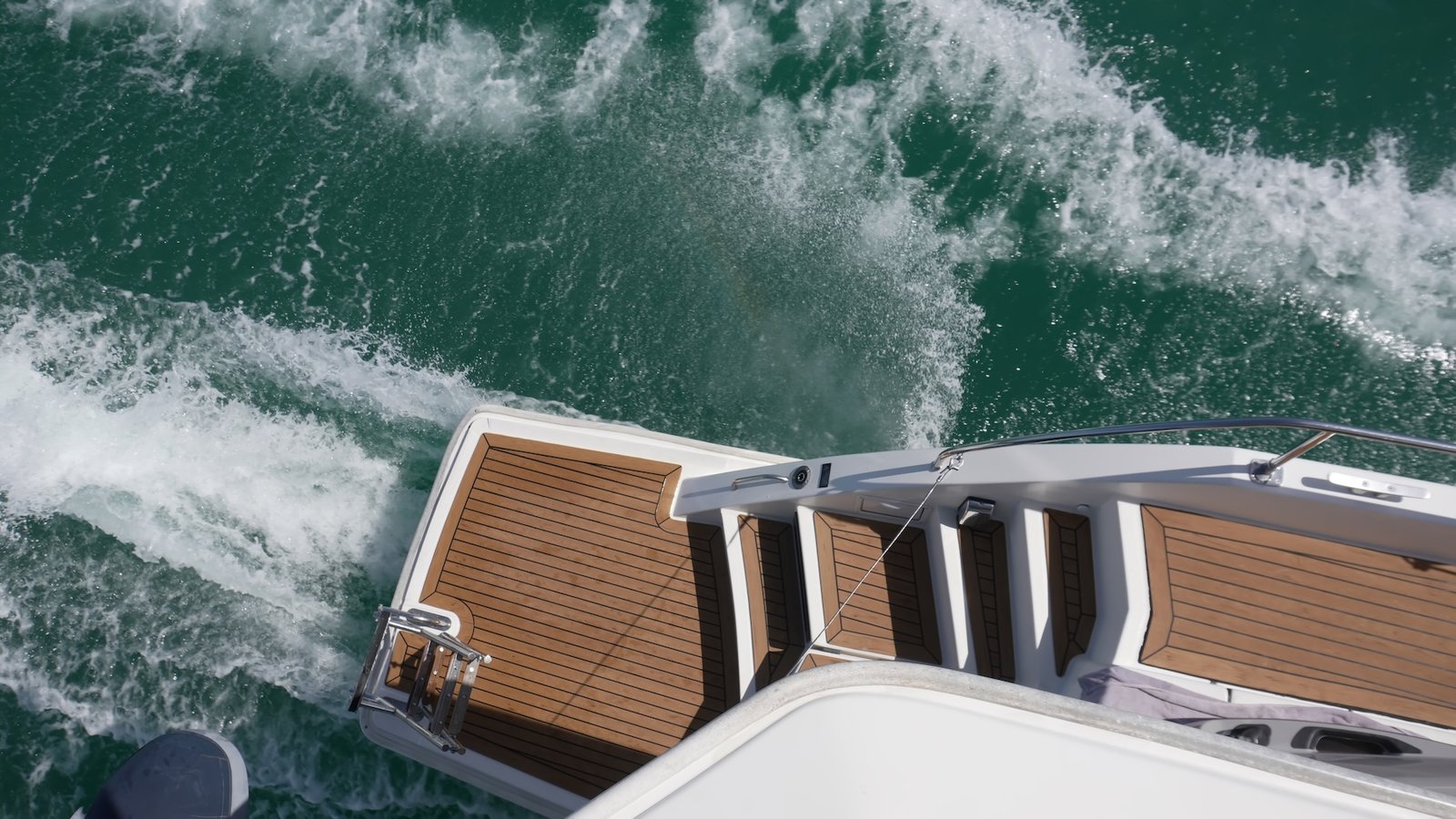
Smarter Waste Management on Superyachts
Waste Management and Recycling on Superyachts Gains Importance
Waste management is becoming a key focus in the superyacht industry as owners, crew, and shipyards respond to growing environmental awareness and stricter regulations. Managing waste effectively at sea is not only a legal requirement in many regions, but also an important part of responsible yacht operation.
Superyachts generate a wide range of waste during normal use, including food waste, packaging, plastics, and operational materials. With limited storage space onboard and long periods between port calls, handling this waste efficiently is essential. Crew must sort, store, and dispose of materials in a way that meets both environmental standards and practical constraints.
Recycling is playing a larger role in onboard operations. Many yachts now separate waste into categories such as glass, metal, paper, and plastics, making it easier to process once they reach shore facilities. This requires clear systems onboard and cooperation from both crew and guests to ensure materials are disposed of correctly.
Food waste management is another area of focus. Galleys are adapting by planning provisions more carefully and reducing excess where possible. Some yachts use compact waste processing systems to reduce volume, making storage more manageable until disposal is available.
Regulations in certain cruising areas require strict handling of waste, particularly when it comes to plastics and hazardous materials. Yachts must comply with international marine standards, and failure to do so can result in fines or restricted access to certain regions. As a result, many operators are adopting higher standards than required to ensure compliance across all destinations.
Crew training is essential in maintaining effective waste management systems. Clear procedures, regular checks, and consistent organisation help ensure that waste is handled safely and efficiently. This also reduces the risk of contamination between different waste types, which can affect recycling efforts.
There is also a growing interest in reducing waste at the source. Owners and charter operators are making more conscious choices when it comes to provisioning, packaging, and onboard products. Reusable items, bulk purchasing, and reduced reliance on single use plastics are becoming more common across the industry.
As sustainability becomes a larger part of the superyacht conversation, waste management is moving from a background task to a visible part of operations. Efficient systems, informed crew, and responsible practices all contribute to reducing environmental impact while maintaining the high standards expected on board.
Superyacht owners and crew can explore waste management and recycling solutions through Superyacht Suppliers to support cleaner and more responsible operations at sea.